How Regulatory Shifts Shape Player Incentives in European Digital Reel and Draw Based Platforms
Uma Bennett · Sep 17, 2026
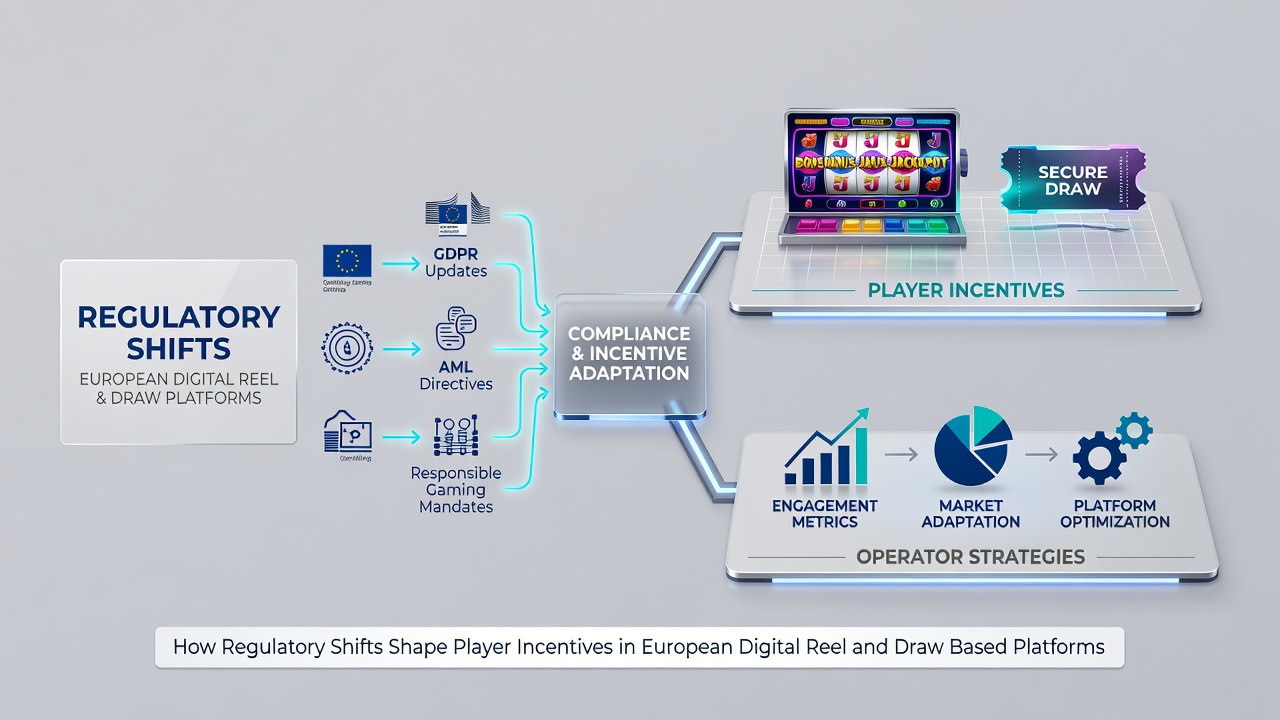
How Regulatory Shifts Shape Player Incentives in European Digital Reel and Draw Based Platforms
Regulatory changes across European markets continue to influence how operators structure rewards and how players engage with digital reel games alongside draw-based platforms, and these adjustments often tie directly to compliance requirements that took shape over the past decade.
Key Regulatory Frameworks in Focus
Countries such as France, Germany, and the Netherlands have introduced or updated rules that cap bonus structures, adjust return-to-player percentages, and set stricter deposit limits, and these measures affect both slot-style reel platforms and lottery-style draw products in distinct ways. Data from the European Commission on gambling market reports indicates that such limits reduce the frequency of promotional offers while encouraging operators to emphasize loyalty programs over one-time incentives.
Observers note that operators respond by redesigning player journeys around longer-term engagement metrics rather than immediate bonuses, and this shift appears in how draw-based platforms promote recurring ticket subscriptions instead of instant-win multipliers. Research from academic institutions across the continent shows these patterns hold steady through 2025, with similar trends projected into late 2026 when additional harmonization steps are scheduled.
Impact on Reel-Based Platforms
Digital reel games face tighter controls on free spin packages and welcome bonuses in several jurisdictions, and operators therefore highlight progressive jackpot contributions and community features to maintain interest. Studies from research bodies reveal that players in regulated markets tend to favor platforms with transparent payout histories once bonus caps limit short-term gains, and this behavior aligns with data collected through national licensing portals.
September 2026 Developments
Planned updates set for September 2026 in multiple member states will require clearer disclosure of algorithmic fairness for reel outcomes, and these rules coincide with expanded reporting on draw-based prize pools that must now detail allocation percentages in real time. Industry associations tracking these changes report that operators are already testing adjusted incentive models, such as tiered rewards tied to responsible play milestones, to prepare for the new standards.
Draw-Based Platform Adjustments
Draw platforms experience different pressures because many regulations target jackpot rollover mechanics and syndicate play options, and this leads to redesigned entry bundles that incorporate smaller guaranteed prizes alongside larger accumulations. Figures from national lottery oversight bodies demonstrate that participation rates remain stable when operators emphasize subscription models that spread entries across multiple draws rather than single high-stakes events.
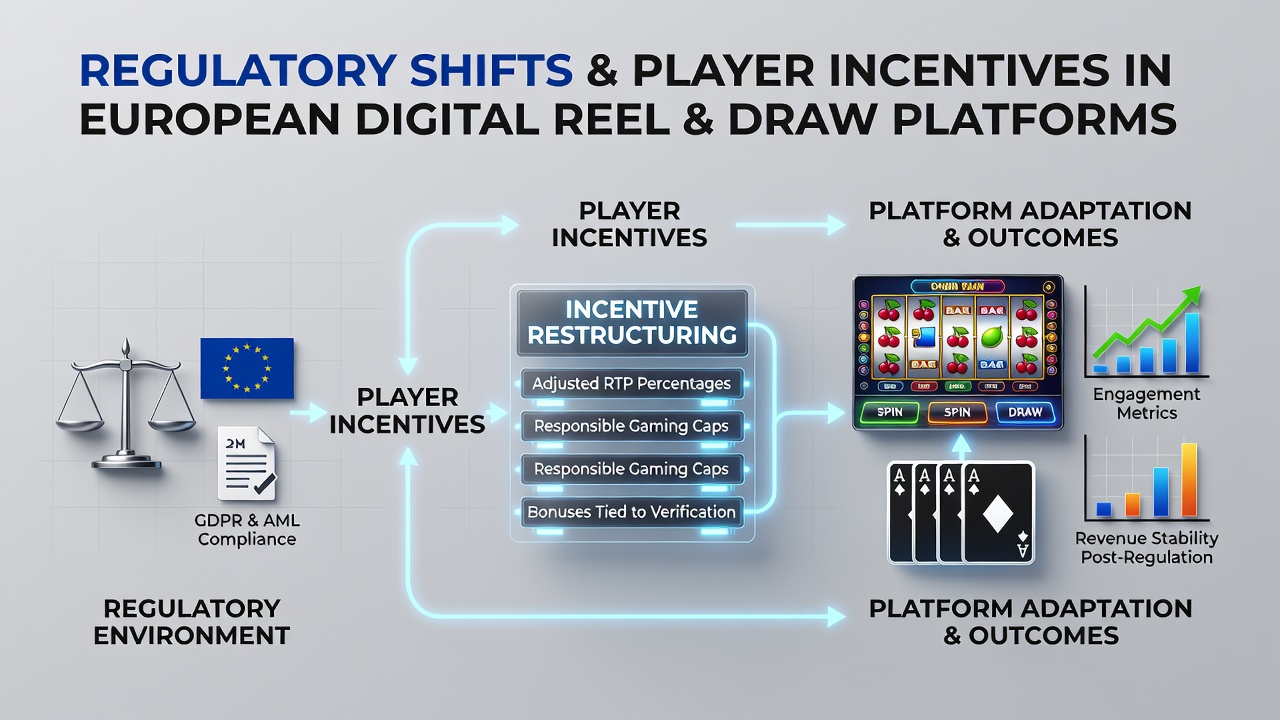
Those who've examined cross-border data find that players migrate toward platforms offering combined reel and draw experiences when individual product incentives shrink, and this integration helps operators meet volume targets while staying within regulatory boundaries. A report issued by the European Gaming and Betting Association highlights similar migration patterns in markets that adopted deposit caps earlier in the decade.
Player Behavior Patterns
Evidence gathered through licensed operator analytics shows that incentive redesigns encourage more selective play sessions, with users spending additional time evaluating loyalty tiers and cashback structures before committing funds. Universities conducting longitudinal studies on European gambling habits document how these patterns differ between reel enthusiasts, who respond to volatility disclosures, and draw participants, who prioritize prize frequency information.
What's notable is the way regulatory emphasis on harm prevention tools, such as session timers and loss limits, integrates into incentive frameworks, and this integration often results in operators awarding bonus credits for consistent use of those same tools. External analyses from Canadian regulatory observers have drawn parallels to European approaches, noting comparable effects on player retention metrics.
Conclusion
Regulatory shifts continue to steer incentive design toward sustainability and transparency across European reel and draw platforms, and the upcoming adjustments scheduled for September 2026 will likely accelerate this movement. Operators adapt by focusing on structural rewards that align with compliance demands, while players encounter more varied engagement options that reflect these evolving rules. Data from multiple sources confirms these dynamics shape market behavior in measurable ways without relying on subjective interpretation.