Regulatory Influences on Progressive Prize Mechanisms in French Digital Gaming Environments
Rosa Carter · Oct 1, 2026

Regulatory Influences on Progressive Prize Mechanisms in French Digital Gaming Environments
Historical Development of Oversight Structures
French authorities established the framework for online gaming through the 2010 law that created the regulatory body now known as the Autorité Nationale des Jeux, and this structure has shaped how progressive prize pools operate across licensed platforms. Operators must submit detailed plans for any linked jackpot systems before launch, which ensures that contributions from player wagers accumulate under strict technical standards verified through third-party audits. Data from industry reports shows that these approval processes have remained consistent since the initial rollout of digital casino offerings, while recent updates have refined the parameters for cross-game pooling that connects multiple titles within a single operator's portfolio.
Progressive mechanisms in France differ from those in other markets because regulations cap the rate at which seed amounts and contribution percentages can increase, and this approach stems from consumer protection priorities embedded in the licensing conditions. Researchers at European institutions have documented how these caps influence the growth trajectory of major prizes, leading operators to adjust network designs accordingly. One study revealed that licensed French platforms typically maintain contribution rates between 1% and 3% of each wager directed toward the progressive pool, with exact figures disclosed in operator filings submitted quarterly to the regulator.
Current Technical and Compliance Requirements
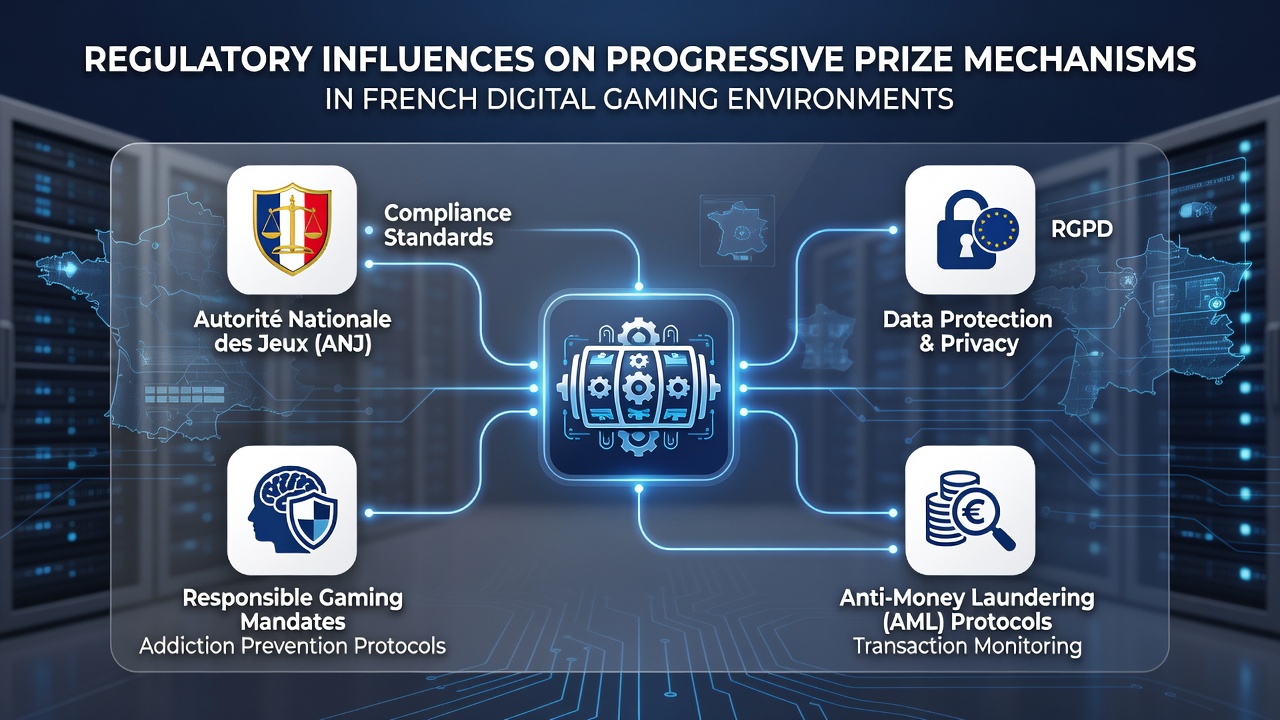
Technical standards issued by the Autorité Nationale des Jeux mandate that all random number generators feeding progressive prize calculations undergo continuous monitoring, and this requirement extends to the algorithms that determine when a jackpot triggers across connected games. Platforms must integrate real-time reporting tools that transmit pool balances and trigger events directly to oversight systems, which allows regulators to verify fairness without delay. Evidence from compliance reviews indicates that these systems have reduced discrepancies in prize distribution since their mandatory adoption in the mid-2010s.
As of October 2026, updated guidelines require operators to implement enhanced player notification protocols whenever a progressive pool exceeds certain thresholds, and these notifications must detail the probability calculations used to determine win chances. Observers note that such measures build on earlier directives aimed at transparency, while they also align with broader European Union efforts to standardize consumer information across member states. Figures from regulatory summaries reveal that French-licensed sites processed over 2.4 million progressive jackpot contributions in the preceding fiscal year, highlighting the scale of activity under active supervision.
Comparative Approaches Across Jurisdictions
Regulators in other regions provide useful context for understanding French practices, and data compiled by the Canadian Centre for Gaming Research shows that provincial authorities in Ontario apply similar pre-approval steps for networked jackpots yet permit higher contribution percentages in some cases. European Commission analyses of cross-border gaming trends further illustrate how French rules emphasize pool integrity through mandatory reserve funds that operators must maintain separately from operational accounts. Those who've examined these documents often discover that French requirements for independent prize certification exceed the minimums set in several neighboring markets, which creates distinct operational footprints for international operators active in multiple territories.
Operators report that adapting progressive systems to French specifications involves recalibrating software interfaces to accommodate local audit trails, and this process typically adds several weeks to product launch timelines. Industry associations have tracked how these adaptations affect prize frequency, with evidence suggesting that regulated French environments produce slightly fewer but more predictable major wins compared to less structured markets. What's interesting is how these patterns emerge from the intersection of technical mandates and fiscal reporting obligations that operators fulfill on a monthly basis.
Impacts on Platform Design and Player Engagement
Progressive prize structures under French oversight encourage operators to diversify game portfolios that feed into shared pools, and this diversification appears in the growing number of hybrid titles that blend slot mechanics with draw-based elements. Compliance data indicates that such combinations must still satisfy separate certification tracks for each component, which maintains clear boundaries between different prize categories. Researchers have found that these layered requirements support stable pool growth while preventing any single game from disproportionately influencing overall jackpot sizes.
Player accounts on licensed platforms receive detailed breakdowns of contributions to progressive funds, and this practice stems directly from disclosure rules that took effect several years ago. Evidence suggests the approach fosters greater awareness among participants about how individual wagers connect to larger prize opportunities, although aggregate statistics show participation rates remain steady across demographic groups tracked by the regulator. Those monitoring market activity note that French platforms continue to expand their progressive offerings within the existing framework, with new linkages approved at a measured pace throughout 2025 and into the following year.
Conclusion
Regulatory structures in France continue to guide the evolution of progressive prize mechanisms through a combination of technical standards, approval processes, and ongoing monitoring that together define operational boundaries for licensed operators. Information gathered from regulatory filings and independent studies demonstrates consistent application of these rules across the sector, while updates scheduled for October 2026 reflect incremental refinements rather than wholesale changes. Observers tracking these developments point to the role of cross-jurisdictional comparisons in shaping future adjustments, and data from multiple sources underscores the emphasis on verifiable fairness and transparent reporting that characterizes the current environment.