Shifts in Player Retention Tactics Through Tiered Loyalty Rewards Within France's Regulated Digital Slot Ecosystems
Blake Frank · Oct 15, 2026
Shifts in Player Retention Tactics Through Tiered Loyalty Rewards Within France's Regulated Digital Slot Ecosystems
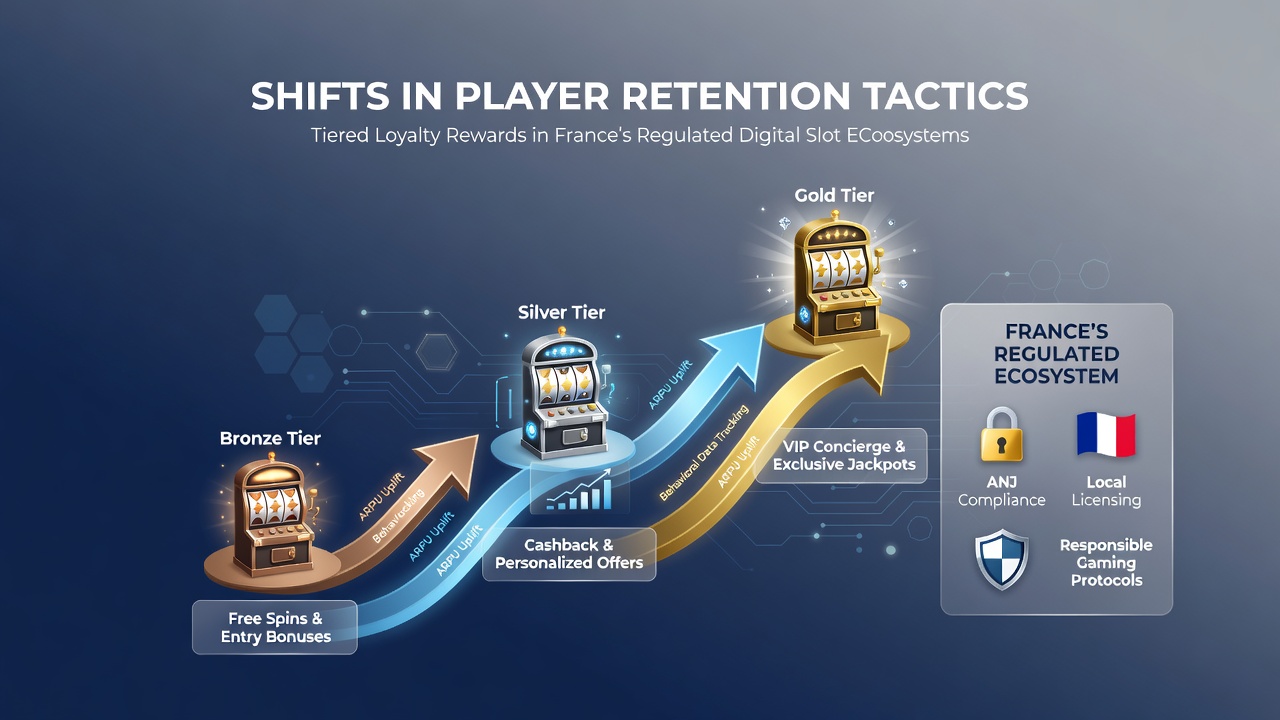
France's regulated digital slot market has undergone noticeable changes in how operators approach player retention, and tiered loyalty rewards now form a central part of those strategies. Data from the Autorité Nationale des Jeux shows steady growth in the number of licensed platforms offering structured reward programs since the full market opening in 2019, with participation rates climbing further through 2026.
Operators track player activity across multiple metrics including session frequency, wager volume, and game variety, then assign participants to levels that unlock escalating benefits. These systems typically progress through several tiers, each granting access to higher cashback percentages, exclusive slot tournaments, and accelerated reward points that convert into bonus credits or free spins. According to industry reports compiled by the European Gaming and Betting Association, French platforms recorded a 22 percent increase in average player lifetime value after introducing multi-level loyalty structures between 2023 and 2025.
Regulatory Framework Guiding Loyalty Program Design
ANJ rules require clear disclosure of all reward terms and prohibit programs that could encourage excessive play, which has led operators to build transparent tier progression visible directly in player accounts. Platforms must also ensure that reward calculations remain auditable, prompting many to integrate real-time dashboards that display points earned and next-tier requirements. This environment has produced loyalty models that emphasize gradual advancement rather than sudden large bonuses, aligning with regulatory expectations for responsible operation.
By October 2026 several major French operators had rolled out updated tier systems that incorporate seasonal events tied to national holidays and sporting calendars, creating additional opportunities for players to accelerate progress during limited windows. These adjustments followed updated guidance from the regulator on promotional timing and have resulted in measurable upticks in monthly active accounts during those periods.
Mechanics of Tier Progression and Reward Allocation
Most programs calculate tier status using a rolling 90-day window of activity, allowing players who reduce play to drop levels while consistent participants maintain or advance status. Points accumulate based on wager amounts across approved slot titles, with certain games weighted higher to encourage variety within the licensed catalog. Once a tier is reached, benefits apply immediately and remain active until the next evaluation cycle.
Lower tiers commonly deliver standard cashback and access to weekly promotions, whereas mid-level participants receive personalized game recommendations and entry into invite-only events. Top tiers often include dedicated account managers, higher withdrawal limits on winnings from reward play, and invitations to occasional offline experiences hosted in partnership with land-based venues. Research published by the University of Melbourne's gambling studies unit indicates that such graduated structures correlate with longer average session durations across several European markets, including France.
Impact on Player Behavior and Platform Metrics
Operators report that players who reach mid or upper tiers show higher rates of cross-game exploration and lower churn compared with those remaining in entry levels. Platform analytics shared at industry conferences reveal that tiered participants generate approximately 35 percent more wager volume per month once they surpass the second level. These patterns hold across both desktop and mobile channels, though mobile users tend to advance faster due to higher session frequency.
Retention campaigns now frequently highlight upcoming tier milestones through in-app notifications and email summaries, directing attention to the additional rewards available upon advancement. This approach replaces earlier broad-spectrum bonus distributions with targeted communications that reference individual progress, a shift documented in operator filings submitted to ANJ throughout 2024 and 2025.
Comparison With Earlier Retention Approaches
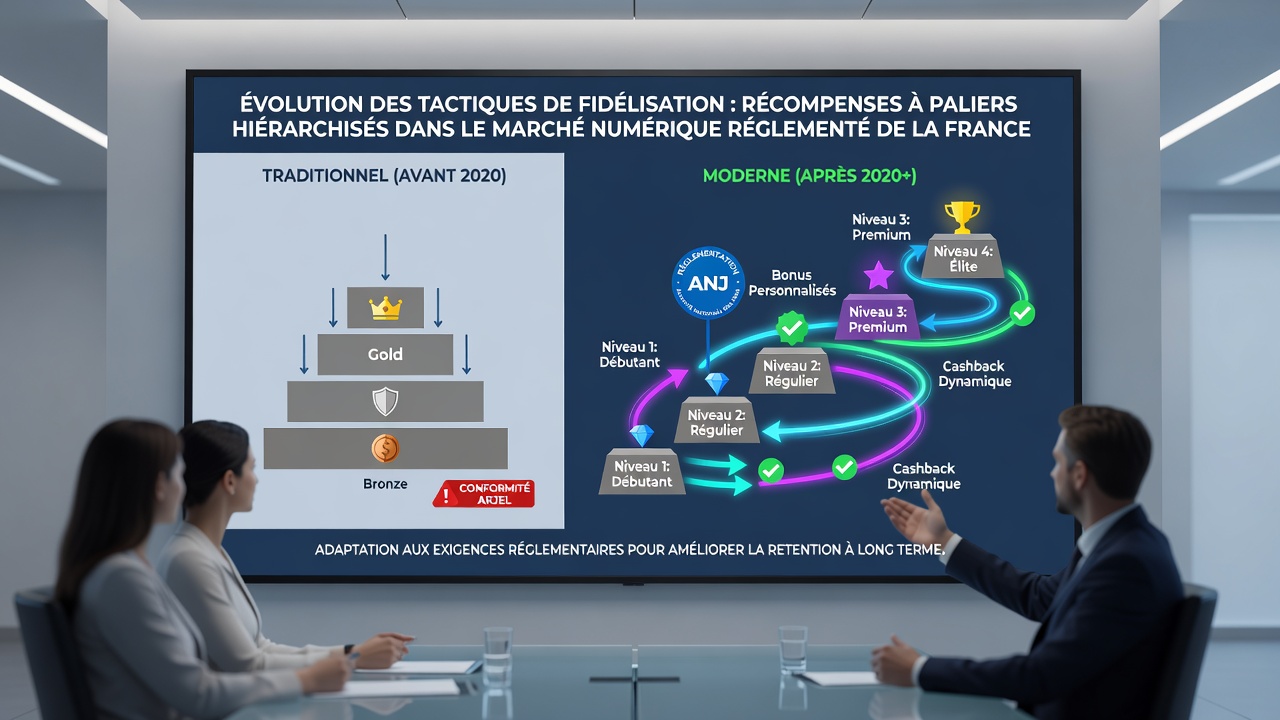
Before widespread adoption of tiered systems, French platforms relied primarily on one-time welcome packages and recurring deposit matches that did not differentiate between player segments. Those flat structures produced short-term spikes in registrations but showed weaker long-term retention once initial offers expired. The move toward layered rewards allows operators to allocate resources more precisely, directing higher-value incentives toward participants who demonstrate sustained engagement.
What's interesting is how the new frameworks integrate with responsible gambling tools, automatically adjusting reward visibility for players who have set deposit limits or self-exclusion periods. This integration ensures that loyalty messaging respects all active player protections without manual intervention from support teams.
Conclusion
Tiered loyalty rewards have become a defining feature of player retention efforts inside France's regulated digital slot sector. Regulatory oversight, combined with detailed activity tracking and segmented benefit delivery, has produced programs that evolve alongside player behavior while remaining within established compliance boundaries. Continued monitoring by ANJ and academic observers will determine how these systems develop further as technology and player expectations shift in the years ahead.